The rapid advancement of technology has significantly enhanced our lives, offering unprecedented convenience and connectivity. However, this tech boom comes at a considerable cost—the growing crisis of electronic waste, commonly known as e-waste.
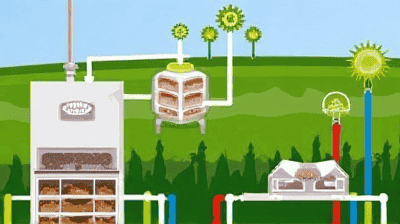
Food waste is an increasingly critical issue around the world. According to the Food and Agriculture Organization (FAO), approximately one third of all food produced globally is wasted. This not only represents a significant loss of resources but also contributes to greenhouse gas emissions and environmental degradation.
In an era where sustainability is at the forefront of global concerns, the concept of upcycling has gained significant traction among environmentally conscious individuals. Upcycling refers to the creative process of transforming waste materials or useless products into new materials or products of better quality or environmental value.
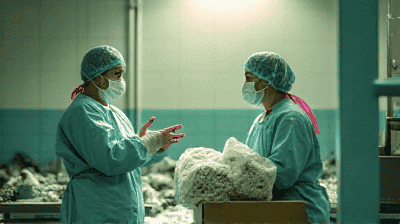
Medical waste management is a critical issue that affects public health and the environment. As healthcare facilities generate substantial amounts of waste, much of which can be hazardous, proper disposal methods are essential to prevent contamination and health risks.
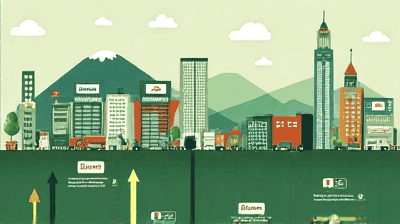
As urban populations continue to grow, cities face unprecedented challenges related to waste management. Traditional waste disposal methods are no longer sustainable, leading to overcrowded landfills, environmental degradation, and public health concerns.